
Introduction
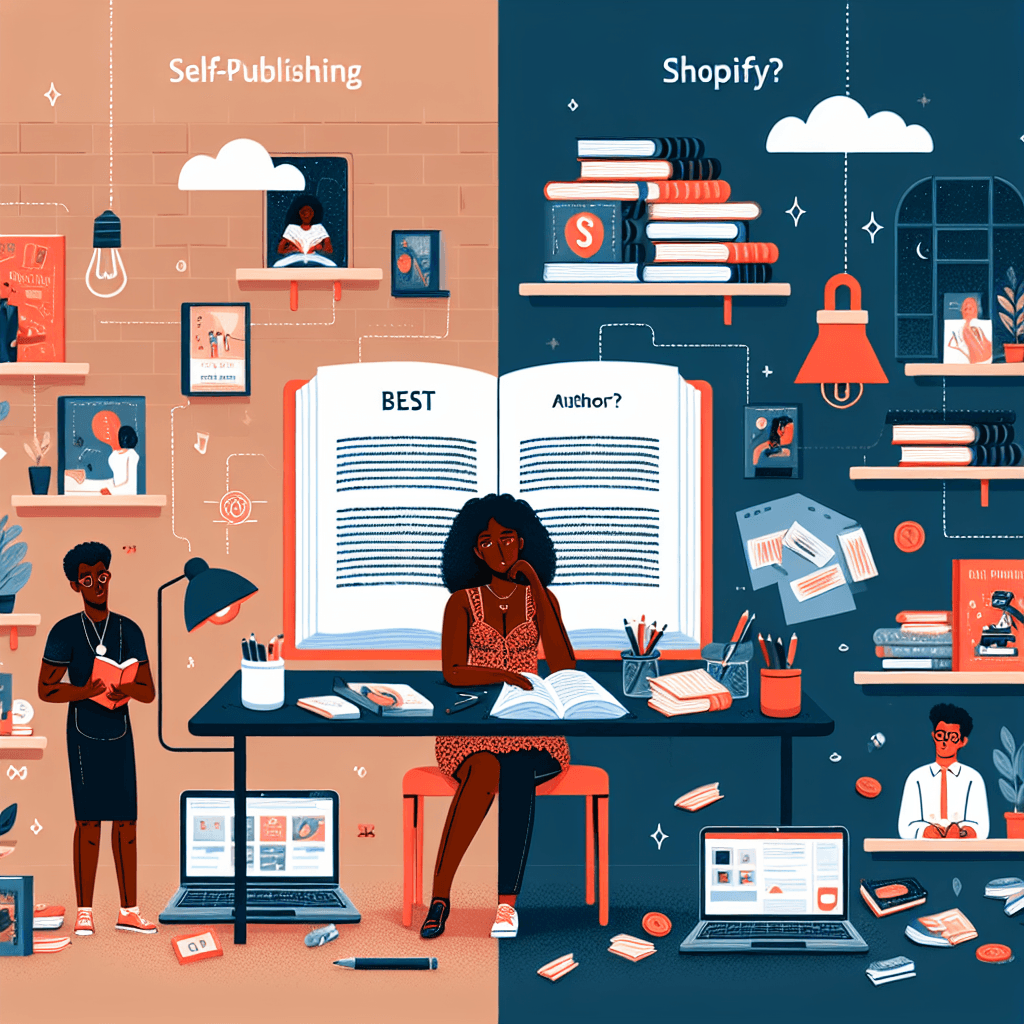
In today’s dynamic publishing landscape, authors have more choices than ever when it comes to bringing their work to readers. The advent of digital technology has opened up opportunities for writers to take control of their publishing journey, bypassing traditional gatekeepers. Two popular paths for authors are self-publishing and using e-commerce platforms like Shopify. Both options offer distinct advantages and challenges. This article will explore the differences between self-publishing and Shopify, helping authors determine which route might be best for them.
Understanding Self-Publishing
Self-publishing offers authors complete control over their work. This approach involves handling the publishing process independently, often utilizing platforms like Amazon Kindle Direct Publishing (KDP), Smashwords, or IngramSpark. Authors who choose this route can maintain creative control over the content, cover design, and marketing strategies.
Advantages of Self-Publishing
Creative Control: Authors have the freedom to make all decisions regarding their book’s design, content, and distribution. This autonomy allows for a more personalized product that aligns with the author’s vision.
Higher Royalties: Self-publishing platforms often offer higher royalty rates compared to traditional publishing. For example, Amazon KDP provides royalty options of 35% to 70% depending on the pricing and distribution choices.
Faster Time to Market: Unlike traditional publishing, which can take months or even years, self-publishing allows authors to release their work relatively quickly once it’s ready.
Global Reach: Platforms like Amazon provide authors with access to a global audience, enabling them to reach readers worldwide.
Challenges of Self-Publishing
Responsibility for All Aspects: Self-publishing requires authors to handle editing, formatting, cover design, and marketing, which can be overwhelming for those without experience.
Marketing and Visibility: Standing out in a crowded market is a significant challenge. Without the support of a traditional publisher, authors must actively promote their work to gain visibility.
Upfront Costs: Authors may need to invest in professional services such as editing and cover design to produce a high-quality book.
Exploring Shopify for Authors
Shopify, an e-commerce platform, allows authors to set up their own online store to sell books directly to readers. This approach provides a different set of advantages and challenges compared to self-publishing.
Advantages of Using Shopify
Direct Sales and Customer Relationship: With Shopify, authors can sell books directly to readers, allowing them to build a direct relationship with their audience. This direct connection can lead to better customer engagement and loyalty.
Control Over Pricing and Discounts: Authors have complete control over pricing strategies, discounts, and promotions, enabling them to experiment with different sales tactics.
Brand Building: An author can create a unique brand identity and customize their online store to reflect their book’s theme or their personal brand.
Diverse Revenue Streams: In addition to selling physical and digital books, authors can offer merchandise, exclusive content, or subscription services, diversifying their income streams.
Challenges of Using Shopify
Technical Setup and Maintenance: Setting up and maintaining an online store requires some technical knowledge and ongoing effort. Authors may need to invest time in learning how to use the platform effectively.
Marketing and Traffic Generation: Similar to self-publishing, attracting visitors to an online store requires marketing efforts. Authors need to invest in strategies such as SEO, social media marketing, and paid advertising.
Fulfillment and Inventory Management: If authors choose to sell physical books, they need to handle inventory management and order fulfillment, which can be logistically challenging.
Comparing Self-Publishing and Shopify
Both self-publishing and using Shopify offer unique paths for authors, each with its own set of benefits and challenges. To make an informed decision, authors should consider their goals, resources, and preferences.
Creative Control vs. Business Operations
Self-publishing offers authors creative freedom, allowing them to focus on the artistic aspects of their work. In contrast, using Shopify involves running an online business, which requires a more entrepreneurial mindset. Authors who enjoy creative tasks may prefer self-publishing, while those interested in business operations might lean towards Shopify.
Royalties and Revenue Potential
Self-publishing platforms often provide higher royalty rates, but authors must share a percentage with the platform. In contrast, Shopify allows authors to keep most of the revenue from direct sales, but they must manage sales tax, transaction fees, and other business expenses themselves.
Audience Reach and Marketing
Self-publishing platforms like Amazon have built-in audiences, making it easier for authors to reach potential readers. Shopify requires authors to actively drive traffic to their store, which can be challenging without existing visibility.
Making the Right Choice
When deciding between self-publishing and Shopify, authors should consider their long-term goals, available resources, and personal preferences. Here are some key questions to guide the decision-making process:
1. What Are Your Goals?
Are you primarily focused on artistic expression and reaching readers, or are you interested in building a business around your books? Authors looking for creative control and quicker publication may prefer self-publishing, while those interested in entrepreneurship might opt for Shopify.
2. What Resources Do You Have?
Consider the time, skills, and financial resources available. Self-publishing requires investments in editing and design, while Shopify demands time for store setup and marketing. Assess your strengths and areas you might need to outsource.
3. How Do You Plan to Market Your Work?
Both options require marketing efforts, but the strategies may differ. Self-publishing benefits from platform algorithms and built-in audiences, while Shopify requires active promotion to drive traffic to your store.
Conclusion
There is no one-size-fits-all answer when it comes to choosing between self-publishing and Shopify. Both options offer unique advantages and challenges that cater to different author needs and aspirations. Authors must weigh their priorities, assess their strengths, and consider their long-term vision to determine the best path for their publishing journey.
Ultimately, the choice between self-publishing and Shopify should align with the author’s goals, resources, and passion. By understanding the nuances of each approach, authors can make informed decisions that pave the way for successful and fulfilling publishing experiences.


0 Comments